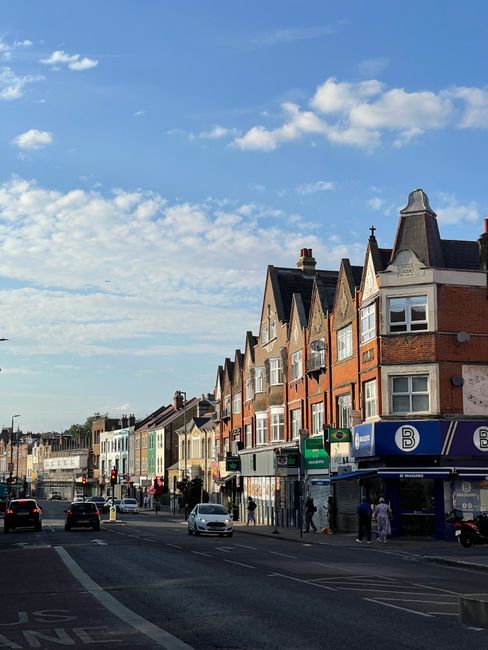
Moving out of Lillie Road area West Brompton removals advice
If you are moving out of the Lillie Road area in West Brompton, the difference between a calm move and a slightly chaotic one usually comes down to planning the boring bits early. The lift booking, the parking space, the box labelling, the little stuff you keep forgetting. This guide gives you practical moving out of Lillie Road area West Brompton removals advice that actually helps on the day, whether you are leaving a flat near the station, a converted terrace, or a busy apartment block where the hallway feels narrow even before you add a sofa.
You will find step-by-step guidance, a simple checklist, common mistakes to avoid, and a clear comparison of moving options. There is also a realistic example of how a local move can be handled without drama. Truth be told, a well-run move is rarely flashy. It is just organised, steady, and a bit less stressful than you expected.
Why Moving out of Lillie Road area West Brompton removals advice Matters
Lillie Road sits in a part of West Brompton where the physical layout can make removals more complicated than the postcode suggests. There are busy streets, tight access points, loading restrictions to think about, and plenty of properties where getting a large item out is never as simple as "just carry it downstairs." If you plan the move badly, you usually feel it in three places: time, money, and stress.
Good removals advice matters because it helps you avoid the classic late surprises. Maybe the van cannot stop directly outside. Maybe the sofa will not turn on the landing. Maybe your lift booking clashes with someone else's. These are not dramatic problems on their own, but together they can turn a tidy move into a long afternoon of muttering and sweat. That is not the vibe anyone wants.
For most people moving out of the area, the aim is simple: protect your belongings, keep the day moving, and avoid paying for unnecessary delays. That is where local knowledge and a realistic approach pay off. If you are comparing service levels, it can help to look at a trusted removal company rather than simply chasing the cheapest quote. A slightly stronger service often saves money overall, especially in busy parts of London.
How Moving out of Lillie Road area West Brompton removals advice Works
At its core, moving advice for this area is about reducing friction. You map out what is moving, how much space it takes, where it is coming from, and what access issues might slow things down. Then you match that plan to the right transport and the right people. Simple in theory. A little more layered in practice.
The process normally starts with an inventory. Not a grand document, just a sensible list of large furniture, fragile items, and anything awkward, heavy, or valuable. From there, you decide whether you need a smaller vehicle, a full house move team, or packing support as well. If you are downsizing, moving a one-bedroom flat, or shifting a few bulky pieces, a man and van style move can be enough. For larger household moves, more structured house removals are often the better fit.
The next part is access planning. That includes parking, stairs, lift availability, and whether there is a sensible walking route from the property to the vehicle. In West Brompton, those few metres matter more than people think. If a trolley cannot pass a doorway cleanly, the whole timetable changes. A good mover will ask about these details before move day. If they do not, that is a small warning sign.
Finally, the moving team loads items in a way that protects them in transit and makes unloading easier at the other end. The best moves feel orderly because the loading order was thought through. Fragile items are secured. Heavy items go in first. Anything needed immediately is kept accessible. Nothing magical, just decent process.
Key Benefits and Practical Advantages
There are a few clear benefits to following a proper removals plan when leaving Lillie Road. Some are obvious, some are easy to overlook until you are halfway through the move with a rolling office chair in the corridor and no free hand left.
- Less damage: Better packing and loading reduces the chance of broken glass, scratched furniture, and bent fittings.
- Better timing: When routes, parking, and access are sorted in advance, the move tends to stay on schedule.
- Lower stress: You are not trying to make decisions at the doorway while everyone waits behind you.
- More accurate costs: A clear job is easier to quote, which usually means fewer awkward add-ons later.
- Smoother local travel: Knowing whether you need a removal van or something larger can avoid paying for unused space.
There is also a hidden benefit: a better move day leaves you with more energy for the actual arrival at your new place. That matters. You do not want to spend all your patience getting out of West Brompton only to arrive somewhere else and realise you have no kettle, no mug, and no idea where the bed screws went.
If you are moving for work, family, or a change of pace, the right support can also help you choose between a full-service team and a lighter-touch option like removals support for smaller loads. Different homes, different needs. That is perfectly normal.
Who This Is For and When It Makes Sense
This advice is useful for anyone leaving the Lillie Road area, but it is especially relevant if any of the following sound familiar:
- you live in a flat with stairs, a lift, or tight communal access;
- you have larger furniture that needs careful handling;
- you are on a deadline, such as a tenancy handover or completion day;
- you want to avoid doing multiple trips in a small car;
- you are moving with children, pets, or a lot of boxed-up household life.
It also makes sense for landlords, letting agents, and people coordinating a property handover. The last thing anyone wants is a move that spills into the next booking slot because a wardrobe was underestimated. That kind of thing happens. More often than people admit, to be fair.
If you are moving a home office, studio setup, or a mix of domestic and work items, you may need something closer to commercial moves support or a more tailored booking. And if the move includes desks, monitors, archive boxes, or equipment, check access and packing needs carefully. Office stuff looks tidy until you pick it up. Then it gets awkward.
Step-by-Step Guidance
Here is a practical route through the process. Not glamorous, but it works.
- Work out what is actually moving. Split your belongings into keep, donate, recycle, and move. This avoids paying to transport things you do not want anymore.
- Measure the awkward items. Sofas, mattresses, wardrobes, mirrors, and white goods are the usual troublemakers. Measure height, width, depth, and stair turns if needed.
- Check access at both addresses. Note stairs, lifts, parking, entry codes, and any time restrictions. If loading bays are limited, plan around them early.
- Choose the right move type. For small or medium loads, a man with van service can be practical. For larger or more complex moves, a more structured team may be better.
- Book packing help if needed. If you are short on time or have delicate items, packing and unpacking services can reduce a lot of last-minute pressure.
- Label by room and priority. Make the labels useful, not poetic. "Kitchen plates," "bedroom winter clothes," "open first" is better than "misc." Every time.
- Prepare a survival box. Keep documents, chargers, snacks, medication, loo roll, and a kettle if you can manage it. You will thank yourself later.
- Confirm the moving plan the day before. Check arrival time, vehicle size, and contact details. A quick confirmation can prevent an annoying mismatch.
- Protect flooring and furniture. Especially in period conversions or polished hallways. Small precautions save arguments and repairs.
- Do a final sweep. Look in cupboards, behind doors, on shelves, and inside the fridge. People leave odd things behind. Keys, socks, a jar of something mysterious. Always something.
If you need broader support than a basic van hire, you may want to compare removal services with a simpler transport-only option. The right fit depends on how much help you want, not just how much you own.
Expert Tips for Better Results
Small decisions make a big difference on move day. Here are the ones that usually matter most.
- Book earlier than you think. Busy London moves often get squeezed into the same time windows. Leaving it late reduces your options.
- Be honest about volume. Underestimating the amount to move usually leads to extra time or an extra vehicle. Not ideal.
- Pack a little smarter. Use smaller boxes for books and heavier items. Big boxes full of books are a back injury in disguise.
- Keep hardware together. Put screws, brackets, and shelf pins in labelled bags and tape them to the matching furniture if you can.
- Separate valuables. Passports, jewellery, laptops, and critical documents should travel with you if possible.
- Think about weather. A wet London morning can make pavements slippery and cardboard soft. It is a tiny thing until it is not.
One more thing: if you are moving from a top-floor flat, ask how heavy furniture will be handled before the day arrives. Stairs, narrow turns, and shared entrances can add real effort. A good mover will not be startled by that question. In fact, they should welcome it.
For some moves, a vehicle-only option is enough, and a removals near me search can help you shortlist local help quickly. Just make sure you are comparing like with like. The cheapest quote is not always the cheapest outcome.
Common Mistakes to Avoid
A lot of moving headaches come from a handful of predictable mistakes. The good news? They are very avoidable.
- Leaving packing too late: Last-minute packing creates weak boxes and a lot of stress.
- Not checking parking: If the van cannot stop nearby, loading takes longer and costs can rise.
- Forgetting lift bookings: Shared buildings often need notice. Miss that step and your timetable may wobble.
- Mixing everything together: One box should not contain cables, candles, saucepans, and a random lamp shade.
- Ignoring access measurements: That "should fit" wardrobe sometimes absolutely will not.
- Choosing a service that is too small: A tiny van is fine until the second mattress appears.
Another common one is assuming all removal firms handle the same type of job in the same way. They do not. Some are better for basic transport, some for full house moves, some for office relocation. If the job is office-based, the right choice may be office removals or a more specific office relocation services approach.
And yes, people still forget the keys. More than you would think. Usually at the moment everyone is already tired and standing in the hallway. Classic.
Tools, Resources and Recommendations
You do not need fancy gear, but a few practical tools make the move much easier.
- Strong boxes: Use a mix of small, medium, and wardrobe boxes rather than one size for everything.
- Packing tape and markers: Keep them accessible, not buried under laundry.
- Furniture covers or blankets: Useful for protecting corners, surfaces, and anything with a soft finish.
- Trolley or sack truck: Handy for heavier boxes or appliances where appropriate.
- Zip bags for fixings: Simple, cheap, and very easy to forget in the rush.
For people moving larger or mixed loads, it can also help to look at broader transport options such as a moving van or, for bigger jobs, a moving truck. The main thing is not to overbuy vehicle space or underbuy it. Both are annoying in different ways.
If you are unsure which option fits, use the questions below as a quick filter: How much needs moving? How fragile is it? How far are you travelling? How much lifting can you realistically do yourself? If you answer those honestly, the right choice becomes much clearer.
Law, Compliance, Standards and Best Practice
Removal work in the UK is shaped by ordinary practical standards rather than mystery. For customers, the important part is choosing a provider that takes care with handling, loading, insurance, and communication. You do not need to know every industry detail, but you should expect sensible conduct and clear terms.
Best practice usually includes:
- clear pricing information before the move;
- appropriate insurance and safe handling of goods;
- careful loading and unloading methods;
- respect for building access rules and neighbours;
- reasonable communication if timings change.
It is also worth reading the provider's policies before you book. Pages such as insurance and safety, health and safety policy, terms and conditions, and payment and security help you understand what is covered and what is expected from both sides.
For people who care about waste handling, a sensible mover should also be able to explain how unwanted items are treated and where recycling is prioritised. If that matters to you, a page like recycling and sustainability is worth a look. It is one of those things you may not think about until the clutter is already by the door.
Options, Methods, or Comparison Table
Different moving options suit different versions of the same move. Here is a simple comparison to help you decide.
| Option | Best for | Strengths | Watch out for |
|---|---|---|---|
| Man and van | Small flats, a few bulky items, short local moves | Flexible, practical, usually quicker to arrange | May be tight for larger furniture or many boxes |
| Full house removals | One- to multi-room home moves, family relocations | More support, better for heavier loads, usually less DIY | Can cost more if the job is modest |
| Removal van hire | People who can help with lifting and want transport only | Simple, often cost-effective for straightforward jobs | You still carry the load and manage timing yourself |
| Packing add-ons | Busy households, fragile items, time-poor moves | Less stress, better protection, faster move day setup | Needs accurate planning and may add to the budget |
If you are moving out of Lillie Road with a fairly standard household load, the choice often comes down to whether you want help with packing and lifting or only the vehicle and driver support. There is no single correct answer. It depends on your energy, your budget, and how much you value an uneventful Saturday.
For some people, a smaller man with a van setup is perfect. For others, especially those with several large pieces or a whole family home, a full house movers service is the better option.
Case Study or Real-World Example
Here is a realistic example based on a common kind of move. A couple in a second-floor flat near Lillie Road needed to move into a house a few miles away. They had a bed, a sofa, a dining table, around 30 boxes, and a bike. Not enormous, but awkward enough.
The main challenge was access. The flat had a narrow stairwell and a shared entrance, so the move needed a timed arrival and a clear loading plan. They packed non-breakables a week early, labelled everything by room, and kept a separate box for essentials. Good move, honestly. It saved them from rummaging through kitchen boxes that evening for a mug and phone charger.
They also checked whether they needed more than basic transport. In the end, they chose a service that could handle the lifting, the loading order, and the transport in one go. That avoided the need for family members to carry heavy items down awkward stairs. The move still took effort, of course, but it stayed orderly.
The useful lesson here is that a local move does not need to be huge to benefit from planning. Even a modest job gets easier when access, packing, and timing are handled properly. No drama. Just fewer surprises.
Practical Checklist
Use this checklist in the final week before you move.
- Confirm your moving date and arrival window.
- Check parking or loading access at both addresses.
- Measure large furniture and awkward items.
- Decide what stays, what goes, and what gets recycled.
- Label boxes by room and priority.
- Pack a survival box with essentials for the first night.
- Protect fragile items with suitable wrapping.
- Take photos of valuable items before transport if helpful.
- Keep documents, keys, medication, and chargers with you.
- Do a final walk-through of every cupboard, shelf, and drawer.
If you want to talk through a move rather than guessing your way through it, use the company's contact us page to ask about availability, access, and the right type of vehicle. A few honest questions early can save a lot of back-and-forth later.
Get a free quote today and see how much you can save.
Conclusion
Moving out of the Lillie Road area in West Brompton is rarely difficult because of one giant problem. It is usually a dozen small ones. Access. Timing. Packing. Parking. The good news is that each of those things can be handled calmly if you plan a little earlier and choose the right kind of help.
The best removals advice is not about making the process perfect. It is about making it predictable, safe, and a bit easier on your nerves. Whether you need a simple van-based move, a full household removal, or packing support as well, the most important thing is to choose a setup that fits the actual move you are making, not the one you wish you were making.
Do the practical things well, and the rest tends to fall into place. And once the last box is inside, the air feels different. Quieter, somehow. That's the moment the hard work starts to feel worth it.
Frequently Asked Questions
What is the best removals option for moving out of Lillie Road?
The best option depends on how much you are moving and how much help you want. Small local moves often suit a man and van setup, while larger household relocations are better matched to full house removals.
How far in advance should I book a removal service?
As early as you can, especially if you are moving on a weekend or at month-end. Popular slots go quickly, and a little lead time usually gives you better choice and less stress.
Do I need packing services for a local move?
Not always. If you have limited time, fragile items, or a busy schedule, packing and unpacking services can be worth it. If your move is small and straightforward, you may not need them.
Is a man and van service enough for a flat move in West Brompton?
Often yes, if the load is modest. It is a practical choice for one-bedroom flats, smaller households, or moves with a few awkward items. If you have lots of furniture, check vehicle size carefully.
What should I tell the removals team before move day?
Share access details, parking restrictions, floor level, lift availability, and anything unusually heavy or fragile. The more accurate the information, the smoother the move will be.
How can I avoid damage during the move?
Use sturdy boxes, pack breakables properly, disassemble furniture where suitable, and keep loose parts together. Good loading matters too, so choose a team that handles items carefully.
What if my new place is not ready yet?
If there is a delay, speak to the mover as early as possible. Some moves can be adjusted, but the options depend on timing and vehicle availability. Last-minute changes are always harder.
How do I choose between removal van hire and full removals?
Pick removal van hire if you mainly need transport and can manage the lifting yourself. Choose full removals if you want help with loading, unloading, and a more hands-off day.
Should I recycle or donate items before moving?
Yes, if possible. Reducing the load saves time and can lower costs. It also makes unpacking cleaner and faster, which is one of those small wins that really adds up.
Are there special issues when moving from older properties near Lillie Road?
Yes, sometimes. Older or converted properties can have narrow stairs, tight hallways, and less predictable access. That is why measuring large furniture and checking the route matters so much.
What documents should I keep with me on moving day?
Keep your ID, tenancy or completion paperwork, keys, phone charger, payment details, and any important contact numbers with you. It is easier than trying to find them in a box labelled "misc."
How can I get a more accurate quote?
Provide a clear list of items, the addresses involved, access details, and whether you need packing help or special handling for fragile items. A detailed brief usually leads to a better quote and fewer surprises.